


Expert Tips for Choosing Stunning Wall Art
Feb 18, 2026
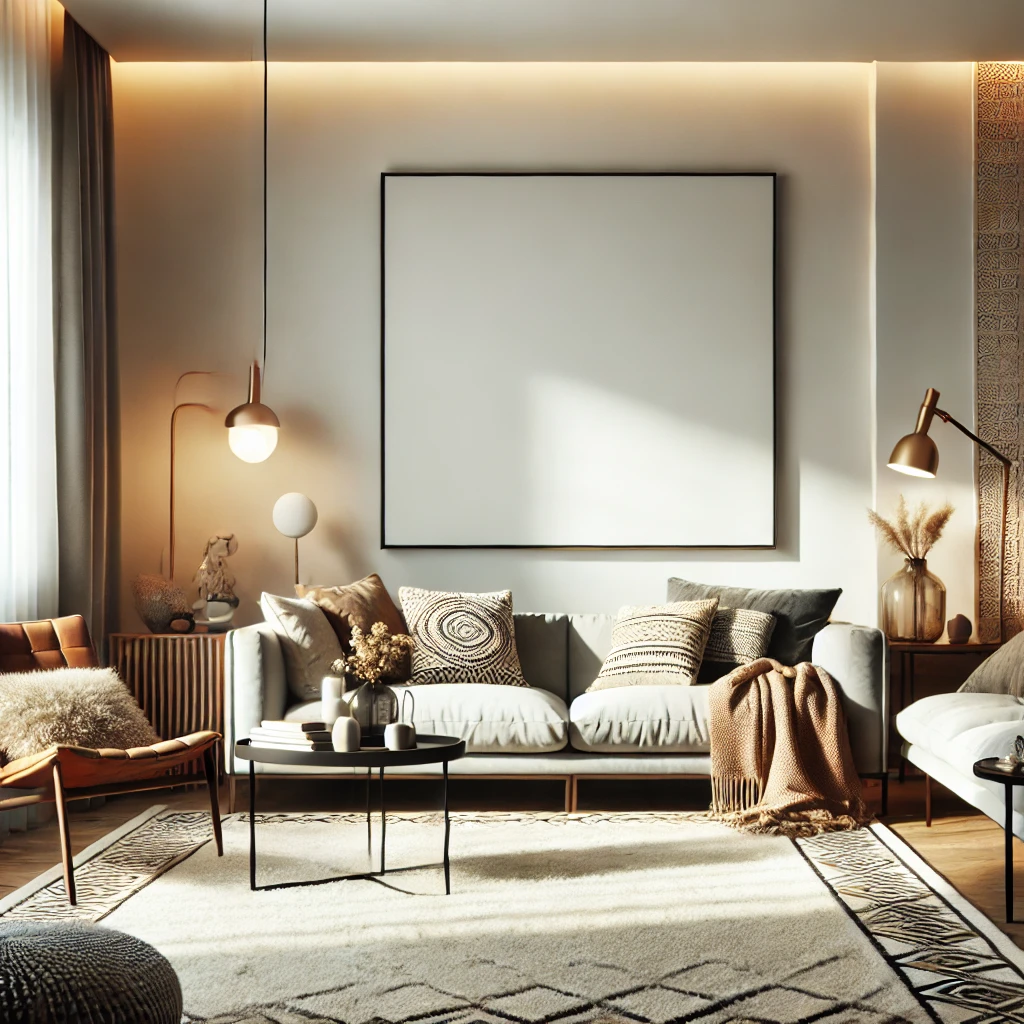
Sometimes there’s nothing pleasant about the idea of having to select the perfect work of art to hang on your walls. That’s why choosing the right piece for your home can either be: 1) a lifelong quest filled with anxiety, regret and blinkered impulse-buying; or, 2) an utter treat – an opportunity to have some fun and relish the process. The good news is that following these simple steps can turn the latter scenario into a reality. These tips should come in handy if you’re looking to: add a splash of color to your living room with a painting; create a quiet atmosphere in your bedroom with a print; or carpeting your walls with a dramatic piece of large wall art.
Step 1: Understand Your Style
Think about your personal aesthetic. Do you like contemporary or do you like quirky, colorful sentimental design? Do you like modern art pieces or do you like fantasy-inspired paintings? By figuring out what you like, you narrow down your search parameters.
Step 2: Consider the Room's Purpose
The viewer must also take into account the room in which the art will be placed. The function of the room can help define the type of art you might choose:
-
Living Room: Big, bold pieces of wall art on larger surfaces are the most effective way to make this room interesting.
-
Bedroom: Opt for soothing and serene pieces that create a relaxing atmosphere.
-
Office: Inspirational art can boost creativity and motivation.
-
Kids' Room: Fun and playful art can add a touch of whimsy and color.
Step 3: Choose the Right Size
Yes, when choosing art for the home, size definitely matters. You don’t want to choose a piece of art that’s too small, because it will look lost on a big wall. However, you also don’t want to choose a piece that’s too big, because that can overpower the space. Here are some guidelines to get the size right.
Measure your wall space and consider the furniture placement.
If you are looking to create a unified feel, the art you select should cover two-thirds to three-quarters of the wall space above a piece of furniture.
If you are putting together a gallery wall, mix big, small and medium formats and use both landscape and portrait orientations.
Step 4: Think About Color
Color is key here. Your art must have a good bounce off the color scheme of your room. Here's some guidance.
-
Complementary Colors: Choose art with colors that complement the room's palette.
-
Accent Colors: Use art to introduce a pop of color to a neutral space.
-
Monochromatic: Choose art containing a room’s primary color, although in different hues.
Step 5: Mix and Match Art Mediums
Don’t worry if your artworks didn’t come as a set. Mix up different mediums to lend variety and interest to the display. Consider:
-
Canvas Prints: These are versatile and can fit into almost any decor style.
-
Metal Prints: Perfect for a modern or industrial look.
-
Acrylic Prints: These have a sleek, contemporary feel.
-
Paper Prints: Ideal for a classic or vintage style.
Step 6: Personalize Your Space
Fill it with art you love – art that appeals to your personal taste and guiding principle. Some tips:
Have something custom made from your picture, such as a framed canvas print or a custom piece of art Bespoke: A custom piece or work of art, specifically made for you.
Support local artists too. Search for art fairs, festivals and events near you. You'll likely find lots of local, living artists that would love your support.
The first is for ‘Limited Edition Prints’. Collectors pursue rare editions of a work because it makes each piece in the series more valuable and unique.
Family Photos: Incorporate art that features family portraits or meaningful moments.
Step 7: Placement and Lighting
The placement and framing of your art in the room, as well as the quality and quantity of light it receives, can affect its impact dramatically. Use these tips to help you create an ideal installation and illumination:
-
Eye Level: For the best viewing height, hang art so that the center of the piece is 57-60 inches from the floor.
-
En masse: When hanging multiple pieces, treat them as a unit. Group them closely together and keep the gaps small.
-
Lighting: Make sure your art is well-illuminated by using picture lights, track lights or wall mounted lights, which will also add to the overall impact.
Step 8: Trust Your Instincts
In the end, the best artwork for your home is one that you love and it makes you happy. Know what you want. Trust your gut and buy what you like – be it whimsical digital art, inspirational art, or personalized art to tell your story.
Once you know what you like and how to get it, choosing art for your home should be an enjoyable process that reflects your unique identity, improves your environment and, ultimately, creates the home you’ve always wanted. We hope our steps and tips will help you choose what you love and take you boldly on your way. Good luck!
With these steps, you can confidently and responsibly buy a piece of art that exudes the personality you want for your home, elevates your decor and inspires happiness for a lifetime. From a splash of modern art on your living room wall to a splatter of whimsy in your kids’ room, the right piece of art will turn any room into a masterful personal oasis.